

As consumer electronics grow smarter and more compact, the demand for high-performance electronic component metal housings surges. These housings are non-negotiable for shielding microchips, sensors, and connectors from EMI, heat, and physical damage—all while fitting into sleek device designs. Advanced casting machines have become the cornerstone of meeting these demands, merging precision, speed, and cost-efficiency for electronics manufacturers worldwide.
The Unique Challenges of Electronic Housing Casting
Electronic component housings aren’t ordinary metal parts. They require ultra-tight tolerances (as low as ±0.02mm), thin walls (0.5–1.2mm), and blemish-free surfaces to integrate seamlessly into devices. Traditional casting methods often falter here, leading to porosity, uneven thickness, and high scrap rates that derail production. Modern casting machines address these pain points with cutting-edge controls tailored to electronics manufacturing.
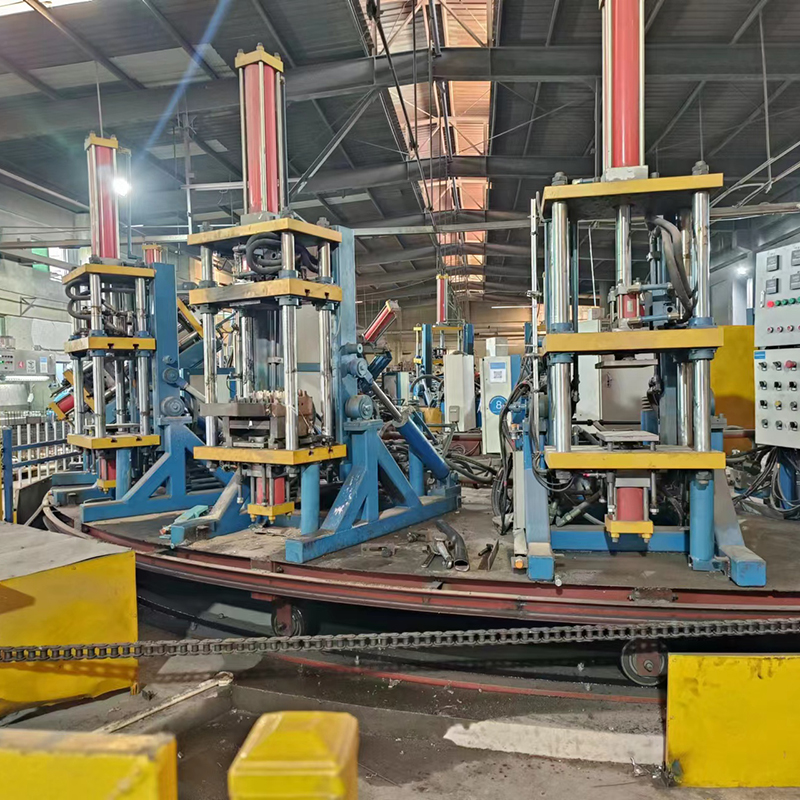
Key Features of Game-Changing Casting Equipment
1. CNC-Powered Precision
Our die-casting machines leverage CNC mold systems and real-time pressure feedback to eliminate errors. Closed-loop technology adjusts injection speed and temperature mid-cycle, ensuring uniform wall thickness and consistent dimensions. This precision cuts post-machining needs by 30%, slashing labor costs and speeding up time-to-market.
2. High-Speed Cycles for Mass Production
Electronics markets move fast, and our machines keep pace. With cycle times as short as 12–20 seconds per part (depending on size), they easily handle high-volume orders—like 500,000 aluminum housings monthly for a smartphone brand. Automated mold clamping and rapid cooling systems minimize downtime, boosting output by up to 45% compared to conventional equipment.
3. Material Versatility
From heat-dissipating aluminum for LED drivers to impact-resistant zinc for automotive sensors, our machines handle all electronics-grade metals. Adjustable temperature controls and adaptive feeding systems ensure optimal results for magnesium (lightweight wearables) and stainless steel (corrosion-resistant IoT devices) alike—no need for multiple machines.
Sustainable Efficiency
Today’s manufacturers prioritize sustainability, and our casting machines deliver. Energy-saving motors and heat recovery systems reduce power use by 28%, while precise material dosing cuts scrap rates to below 4%. This not only lowers costs but also aligns with global electronics sustainability standards.
Proven Results for Electronics Manufacturers
A European automotive electronics supplier struggled with 11% defect rates in zinc sensor housings. After adopting our advanced casting machine with AI quality checks, defects dropped to 0.6%, and production capacity rose 32%. The integrated vision system catches flaws in real time, avoiding costly rework.
An Asian wearable tech firm needed 300,000 magnesium housings monthly. Our machine met the target, reducing per-unit costs by 17% through less scrap and energy use—proving performance and affordability can coexist.
Conclusion
Advanced casting machines aren’t just tools—they’re strategic assets for electronics manufacturers. As a factory with 18 years of casting equipment expertise, we tailor solutions to your needs: small-batch precision machines for high-end electronics or large-scale lines for mass production. Invest in technology that keeps your electronic component housings ahead of the curve.